Share your ECOTA story.
Join the largest community of fair trade organizations in Bangladesh.

SHAH ABDUS SALAM
ECOTA Fair Trade Forum has been a driving force in uplifting the artisans and small producers of Bangladesh for decades. Through a relentless commitment to fair trade principles, ECOTA has empowered countless individuals and communities, providing them with the tools and opportunities to thrive both locally and globally. From organizing major trade fairs and capacity-building workshops to advocating for ethical business practices and fostering international partnerships, ECOTA has continually worked to strengthen the crafts sector and ensure its sustainability. We invite you to explore our journey through the timeline on the right, which highlights the key moments that have shaped our vision and progress.
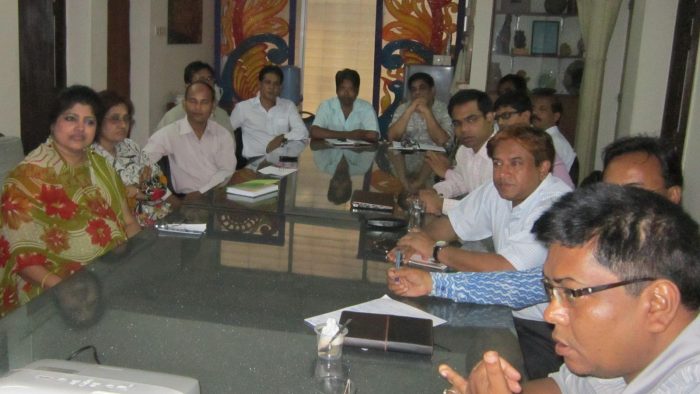
In August 1990, ECOTA-Forum was established in Dhaka, Bangladesh, by representatives from national and international development organizations. This voluntary body was created to ensure better prices and sustainable incomes for producers. ECOTA’s primary objectives included promoting goods, improving quality, and developing standards to enhance market access. In its early years, ECOTA focused on supporting local craft producers and artisans, particularly those from marginalized communities, advocating for fair wages, safe working conditions, and environmentally sustainable practices.
ECOTA quickly emerged as a central hub for fair trade organizations in Bangladesh. It played a crucial role in connecting producers, exporters, and international buyers, ensuring equitable market access for a wide range of member organizations, from rural craft groups to urban enterprises.
To further its global fair trade mission, ECOTA became an active member of the World Fair Trade Organization (WFTO). This affiliation allowed ECOTA to link Bangladeshi producers with international markets and advocacy networks, ensuring adherence to high ethical standards in production and trade.
Over the years, ECOTA has been instrumental in empowering artisans throughout rural Bangladesh. The organization has supported traditional craft sectors such as jute, textiles, and handmade goods, bringing Bangladeshi handicrafts to the global stage while emphasizing sustainability and preserving cultural heritage.
ECOTA has consistently advocated for policy reforms at the national level, promoting sustainable development, ethical production, and trade fairness. Our involvement in discussions with government officials and stakeholders has played a key role in improving conditions for marginalized producers.
Today, ECOTA continues to be a leading force in Bangladesh’s fair trade movement, collaborating with over 62 member organizations. Our mission remains focused on fostering a fairer, more inclusive economic system, with a strong emphasis on empowering women and socially disadvantaged groups through sustainable livelihoods.
Throughout its history, ECOTA has made significant strides in advancing fair trade in Bangladesh, championing ethical consumerism, and advocating for the rights of marginalized workers within the global supply chain.
Join the largest community of fair trade organizations in Bangladesh.